
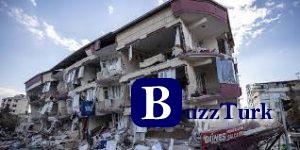
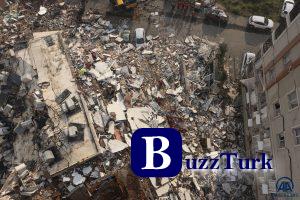
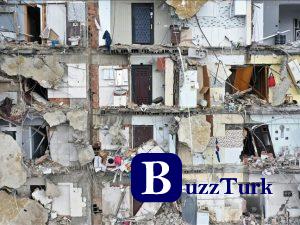
When a big earthquake hits, the ground shakes first, then the phones. Before TV broadcasts and official statements, millions of people rush to the internet with the same questions. These early searches show, in a very raw way, what people are really afraid of and what they really need.
So, what do people want to know right after an earthquake?
1. “Where was the earthquake and how strong was it?”
The first reflex is to learn the epicenter and magnitude. Typical searches look like:
- “was there an earthquake just now”
- “how strong was the earthquake”
- “where did the earthquake happen”
Behind all these queries there is one core concern: Am I and my loved ones safe?
The epicenter and depth give at least a rough idea about aftershocks and whether a new, bigger danger is likely.
2. “Is there a tsunami risk, is something else coming?”
Whenever the earthquake is related to the sea, a second wave of questions appears:
- “will there be a tsunami”
- “how far should we stay from the shore”
- “why did the sea water pull back”
People don’t only fear the shaking itself, they also worry about secondary disasters that may follow.
This is why, especially in coastal cities, clear and fast statements like “there is no tsunami risk” or “the coastline is being evacuated” can literally save lives.
3. “How long will aftershocks continue?”
Even when the main quake ends, the shaking continues in people’s minds. Very common searches include:
- “how long do aftershocks last”
- “will there be a bigger earthquake”
- “is it safe to go back home”
These questions show a search for both housing safety and psychological relief.
Simple, plain-language explanations from experts about “which aftershocks are normal and which are not” help reduce both panic and reckless behavior.
4. “Is our home safe, where should we stay?”
After an earthquake, some people want to go back home immediately, while others are afraid to enter the building. So you see searches like:
- “what to do if the building is damaged”
- “where is the nearest assembly area”
- “where is the safest place in the house”
What people need here is:
- Neighborhood-level information on designated assembly points
- Simple guidance like “if you see these visible types of damage, don’t enter the building”
- Up-to-date directions from official institutions
5. “Are schools closed, will work be cancelled?”
Once the first shock passes, questions about everyday life appear:
- “are schools closed”
- “are public offices open”
- “was the exam postponed”
These searches are critical especially for families with children and for students.
Every hour left in uncertainty increases stress. Short, clear and early announcements from local authorities and ministries make a big difference.
6. “Is the water safe to drink, is the food safe?”
Major earthquakes don’t only damage buildings; they also hit infrastructure and the food supply chain. That is why searches such as:
- “is tap water safe to drink”
- “how to detect a gas leak”
- “are markets open”
- “symptoms of food poisoning”
surge quickly.
People are not just trying to “find something to eat”; they are trying to reach safe water and safe food.
At this stage, information on:
- Water cuts and chlorination status
- Warnings about foods with broken cold chains
- Guidance on products sold outdoors
can prevent many secondary health problems.
7. “What about roads, bridges and transport?”
Another crucial topic is transportation:
- “which roads are closed”
- “are bridges open to traffic”
- “is the metro still running”
People want to know if they can reach their loved ones or leave the city if needed.
Frequently updated maps, live traffic information and official transport announcements are key tools to reduce chaos.
8. “How can we get shelter, aid and support?”
The larger the disaster, the more searches shift towards:
- “how to apply for temporary housing”
- “conditions for rent support”
- “does insurance cover earthquake damage”
- “psychological support hotline”
After the first impact, people’s minds slowly turn to financial loss and emotional wounds.
Here, transparent information, clear application guides and free support hotlines strengthen the feeling that “we are not alone”.
9. Why do these searches matter?
Post-earthquake searches are not just curiosity; they are often a silent cry for help.
By looking at these questions:
- Authorities can see where people need more information.
- The media can focus on topics that really matter to the public.
- Experts can learn to speak using the same words people actually use in daily life.
In the end, an earthquake shakes the fault lines, but it also shakes the information lines.
Fast, accurate information can be as vital as a blanket, a bottle of water or a box of food. That’s why understanding what people want to know after a major disaster is one of the keys to being better prepared for the future.